How to Make Cortado at Home: Recipes, Measurements and Milk
Compare named recipes, measure what reaches the cup, and keep equipment-specific instructions together.

Published January 16, 2025 · Article and sources updated October 7, 2026
Make a small espresso and milk drink with a stated method
A cortado is commonly described as espresso with a similar amount of warm milk. At home, first decide which recipe and equipment you are following, then record how much prepared coffee and milk actually reach the cup. This guide compares two manufacturer recipes and gives a measurement example; it does not report personal café interviews or a tested product ranking.
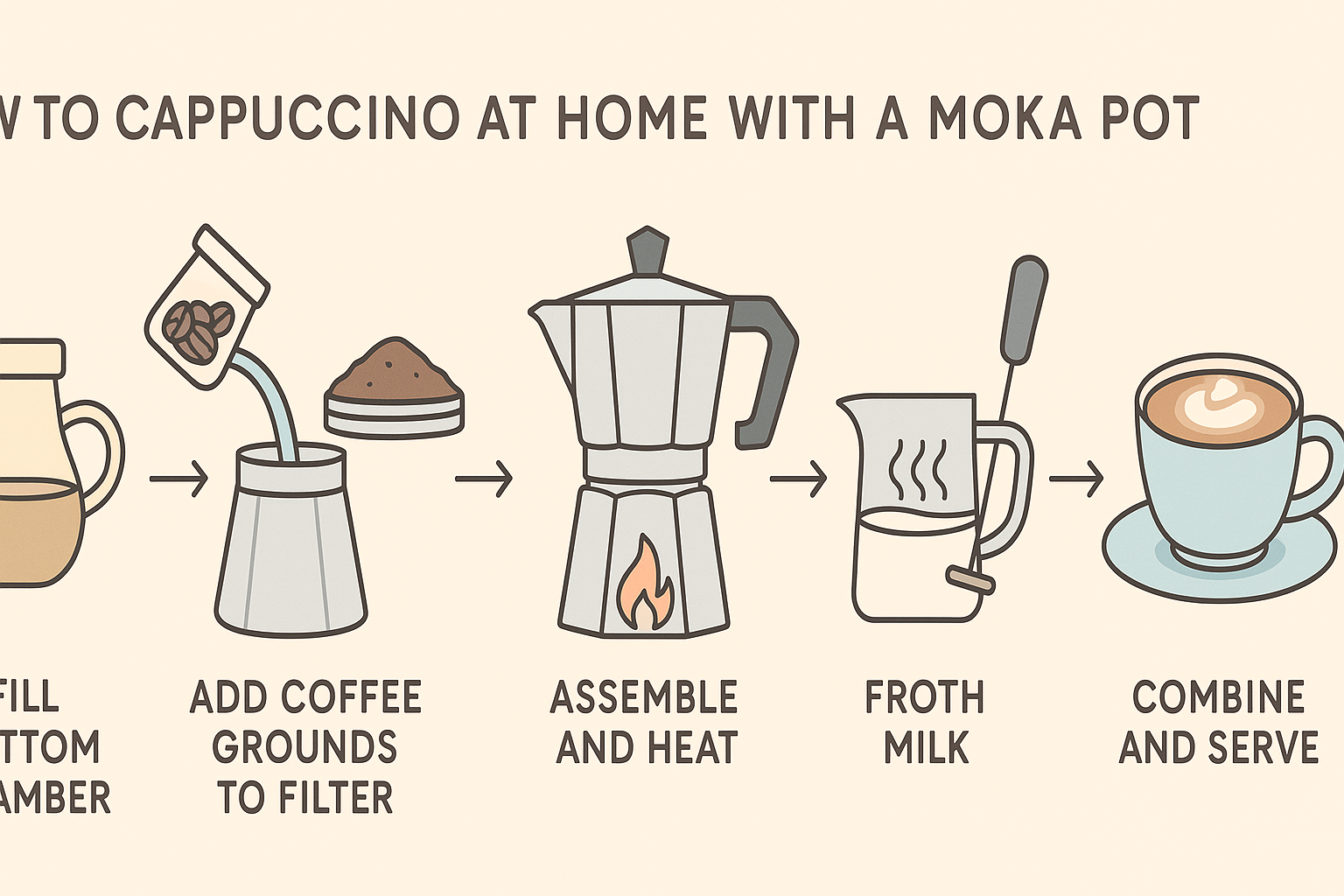
If you own a moka pot rather than an espresso machine, you can make a small coffee-and-milk alternative. Use the pot’s own brewing instructions instead of transferring an espresso basket dose or extraction time to it.
Recipe descriptions do not all specify the same amounts
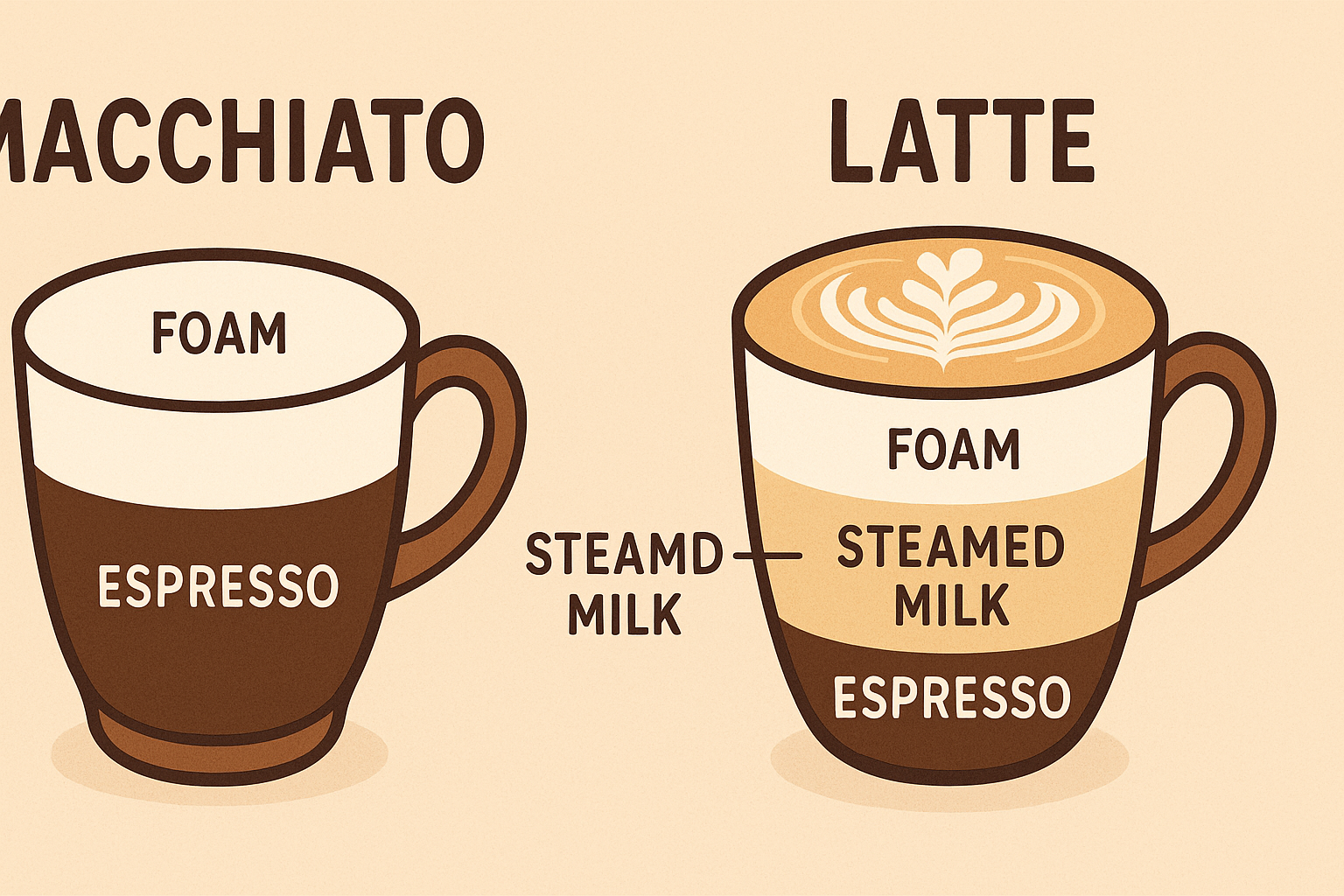
Cuisinart’s cortado recipe describes equal parts espresso and milk without a foam topping. Its steps call for one espresso, ¼ cup milk in the pitcher and 1½–2 oz steamed milk poured into the drink. The shot’s finished volume is not specified, so those steps alone do not establish an exact final 1:1 calculation.
Nespresso’s Corto recipe also introduces equal parts, but its steps specify 40 mL coffee, 10–20 mL hot milk and two dessert spoons of wet milk foam. Keep that capsule-based recipe’s ingredients and steps together. These differences are a reason to name your version rather than claim one universal proportion or foam rule.
Check the equipment you already have
- For the espresso version: use an espresso brewer and its specified coffee, basket or capsule. Prepare milk with equipment explicitly intended for that purpose.
- For the moka alternative: follow the moka brewing guide and the exact pot’s fill, grind and heat directions. Keep any separate milk preparation within its appliance’s instructions.
- For serving: use a heat-resistant cup with room for the planned coffee, milk and any foam. A measuring vessel should be suitable for the liquid temperature.
- For recording: use a timer and either suitable volume measures or a scale, stating which unit you used.
Optional: BAGAIL coffee scale with timer
A weighing tool for recording ingredients in grams and timing a separate coffee brew. The listing describes tare and timer functions. It does not establish a particular milk volume from a gram reading, and this article does not test its accuracy. Follow the heat precautions for the scale and its silicone cover.
Exact listing checked October 7, 2026 · ASIN B0BNL5JCVR. Use an existing suitable kitchen scale if you have one. As an Amazon Associate I earn from qualifying purchases; this is an affiliate link. Full disclosure.
View BAGAIL coffee scale with timer on Amazon →Buying a frother does not supply an espresso brewer or guarantee a particular milk texture. Compare each tool’s actual function with your plan in the accessory selection guide.
Use a brew recipe suited to the machine
Choose coffee and a grind or capsule compatible with your brewer. Record the coffee, grinder setting or capsule name and the prepared output. There is no supported rule here that a light roast cannot work in a milk drink or that a named country’s coffee is always best.
An espresso dose belongs to the basket and recipe you are using. A moka pot’s basket and water limits belong to its model. Do not add a fixed extra few grams to either one because a milk drink tastes weak; compare the served coffee and milk first.
Prepare a permitted milk batch, then measure the portion
Check the milk product’s label and your steamer or frother’s required minimum and maximum fill, permitted ingredients, temperature controls and cleaning directions. The appliance may need more milk in its working vessel than the small portion you want to serve. Measure the portion delivered to the drink separately.
Cuisinart’s recipe uses a steam wand and removes larger bubbles by tapping the pitcher. That is guidance for its described setup, not permission to apply the same steam controls or touch test to every appliance. Use the exact equipment’s instructions and a suitable thermometer where a measured temperature is required. Do not equate a hot-to-touch pitcher with a measured milk temperature.
A dairy or plant drink may behave differently in the same tool. Record its exact product rather than promise that all oat, soy or almond drinks give an equivalent texture. Follow the ingredient’s storage directions, including after opening.
A worked volume example for your brew record
For a deliberately chosen 1:1 volume version, 40 mL prepared espresso plus 40 mL heated milk is about 80 mL before any separately added foam. This is arithmetic for a recording example, not a claim that either manufacturer’s recipe mandates these amounts or that the result was taste-tested.
- Choose the method. Write “espresso” and identify its recipe, or label a moka version as an alternative.
- Prepare the coffee. Follow the brewer’s instructions. Record the served output, stating mass or volume without treating them as interchangeable.
- Prepare the milk. Use a permitted working batch and the appliance’s instructions. Measure only the planned portion for the cup.
- Combine. Pour into a suitable cup, leaving room for foam if your chosen recipe uses it. Write down milk added separately from foam.
- Evaluate and clean. Record what you would change next time. Clean the brewer and milk equipment as directed.
Find the changed input before changing the recipe
| Observation | First comparison | Next record |
|---|---|---|
| Drink tastes milkier than expected | Prepared coffee amount versus milk portion actually poured | Use the same units for the two portions |
| More foam than intended | Chosen recipe, milk product and permitted appliance setting | Foam added separately from liquid milk |
| Coffee output varies | Brewer-specific recipe, dose or capsule and grinder setting | Repeat the coffee baseline before adjusting milk |
| Cup is too full | Actual serving amounts and vessel capacity | Choose a smaller serving or a suitable larger cup |
Taste alone does not prove a particular extraction fault. Keep equipment faults, brew changes and serving changes separate. If a machine or accessory behaves abnormally, follow its troubleshooting instructions rather than forcing a control or overfilling it.
Name the changes so the comparison remains useful
Changing to cold milk, adding ice, using a plant drink or adding syrup creates a different serving to record. Note those additions explicitly rather than claiming a regional tradition or a health result without a source.
For a milk-forward Vietnamese-style drink, compare the Bac Xiu guide and check the amounts in the recipe you choose.
Sources and scope
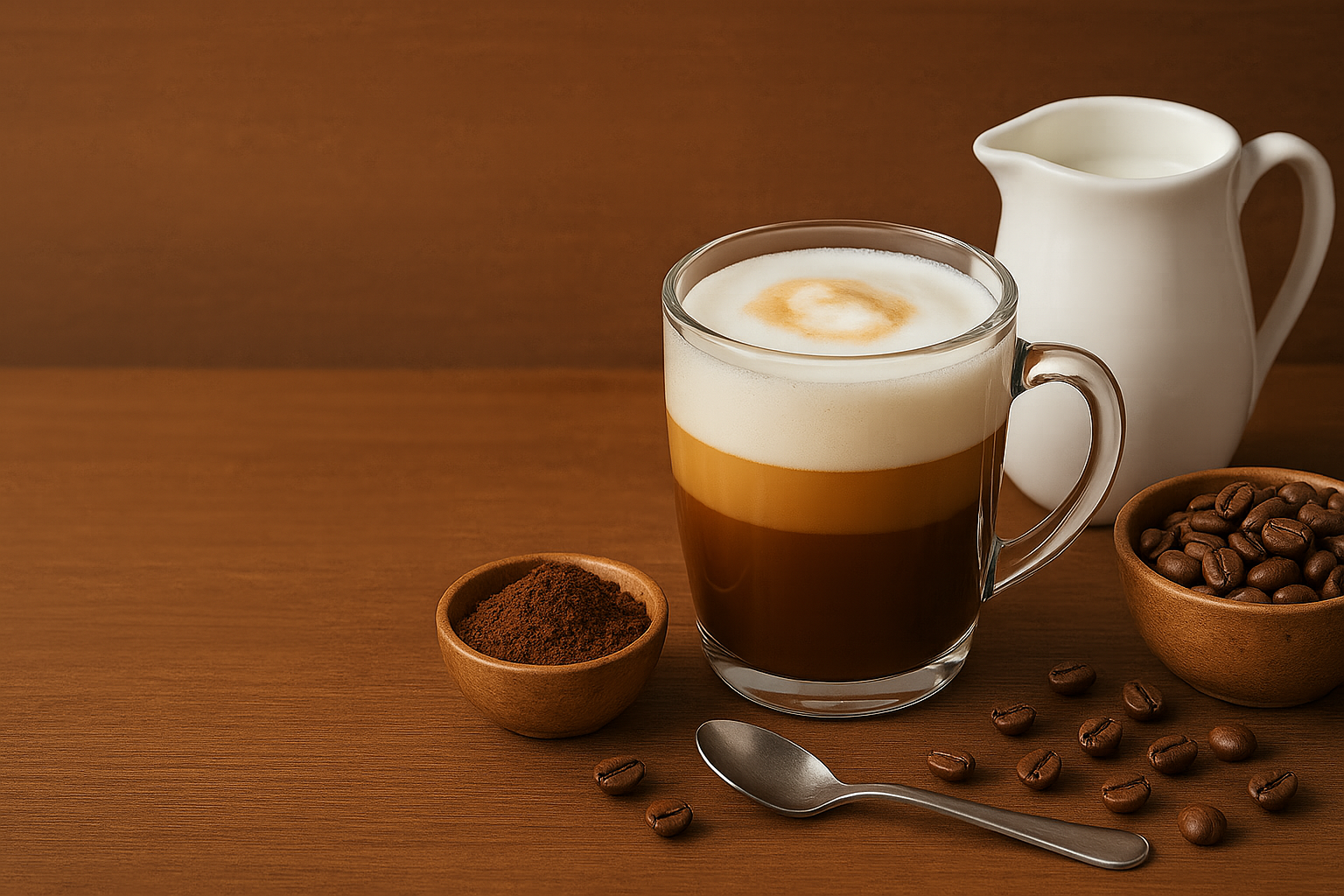
Reviewed October 7, 2026: Cuisinart’s cortado recipe and Nespresso’s Corto recipe. The source comparison supports the stated differences; the volume example and recording table are editorial tools. No universal temperature, extraction time, taste ranking, caffeine figure or café-equivalence result is established. The hero is an editorial illustration. The optional scale was identified by its listing and an authentic SiteStripe URL, not independently tested here.